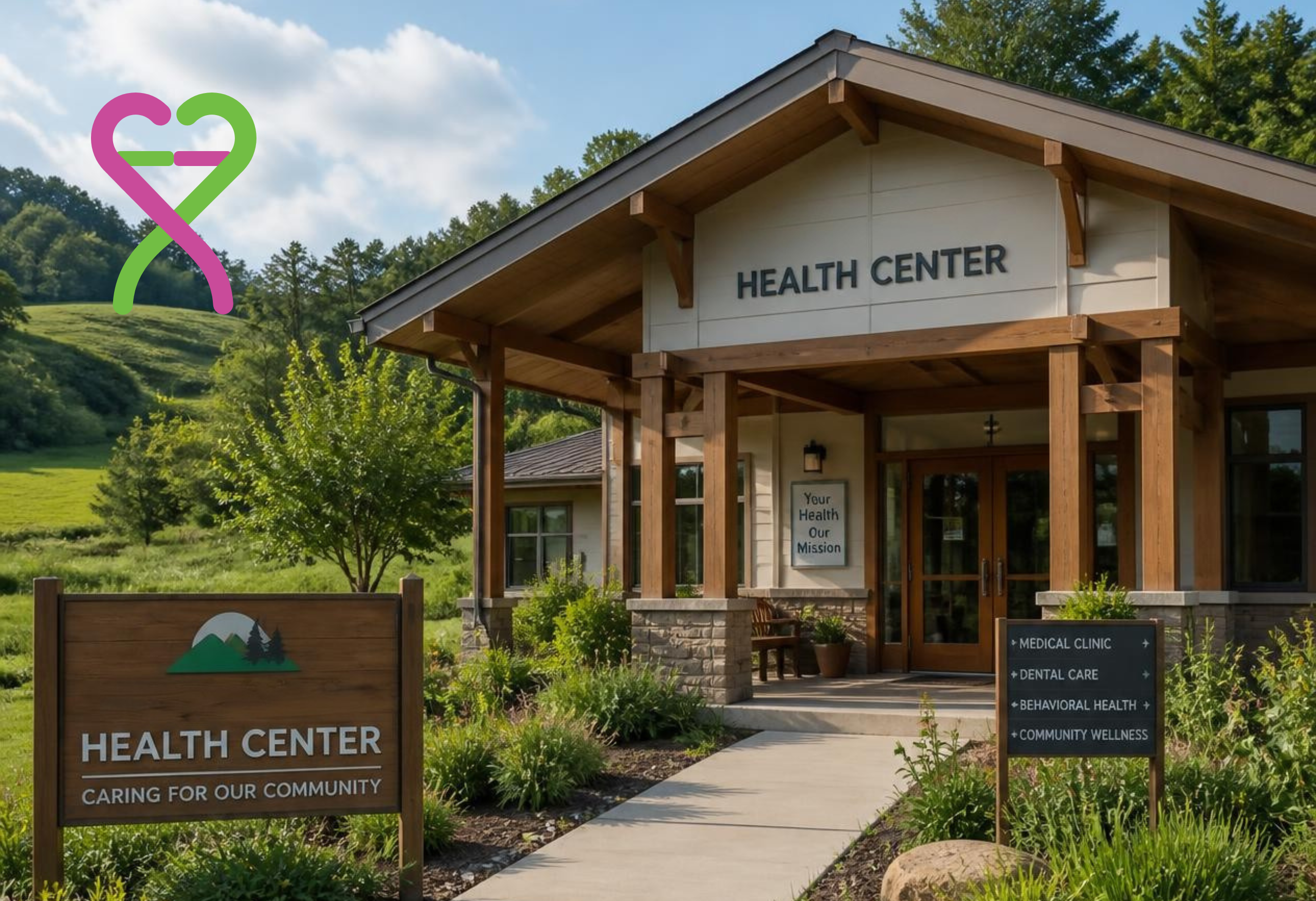
Why rural healthcare is personal to us
In Upstate New York, some hospitals have 25 beds—maybe even fewer than that—and a larger hospital could be more than an hour away.
This is what rural healthcare looks like across much of the region we serve: not one big medical center, but a scattered network of small hospitals, clinics, nursing homes, and community programs. And the people working in these facilities have cared for the same families for years.
Small communities, big impact
Rural healthcare isn’t just about location. It’s about connection.
In smaller towns, care often goes beyond job descriptions. You’re not just treating a patient. You know their family. You may run into them at the grocery store, or you might’ve grown up just down the road.
That familiarity is a superpower. It builds trust faster, and breaks down communication barriers. It makes patients feel seen, respected, and cared for in a deeply human way.
But it also means that when one person leaves, the entire organization feels the impact. There isn’t someone down the hall to fill in or cover shifts. One open position means longer waits and fewer patients served.
Those gaps are real across New York State. A 2026 statewide workforce report found shortages of registered nurses and licensed practical nurses in every healthcare setting, and hospitals reported shortages of respiratory therapists, too.
The good news? We have hundreds of participants training for those roles right now.
Our role in rural healthcare
The Caring Gene® Program is part of Iroquois Healthcare Association (IHA), the voice for hospitals and health systems in Upstate and rural New York. When those facilities struggle to fill open positions, it is locals who feel it first: the crossing guard who saw all your kids safely to and from school and cannot get an appointment with his primary care provider; your mom’s best friend, who spent hours in the ED because the night shift was two nurses short; your nephew’s Little League coach who’s been waiting for weeks to see a counselor.
Through the CPT Program, we’ve been able to help by investing in people from these rural communities.
Coming home to give back, and to grow
Some of them moved away for school or work, but felt a pull to return home. Not just to live, but to serve. Others never left. Many participants were already working in healthcare in their hometowns, and used this opportunity to move forward in their career.
There’s a myth that working in rural healthcare means fewer opportunities, but the Caring Gene® Program has more than 2,400 participants who all tell a different story.
In a rural setting, you might:
- Get cross-trained in multiple specialties, because smaller teams need people who can step in wherever they’re needed.
- Work alongside mentors who know your name and your goals.
- Take on leadership roles earlier in your career, at the same practice where you started.
That said, opportunity isn’t the only thing that draws practitioners to rural settings. The key has always been that promise of connection, of knowing your patients and being known by them. We’re proud to stand behind the people who choose rural healthcare, and the communities that count on them.