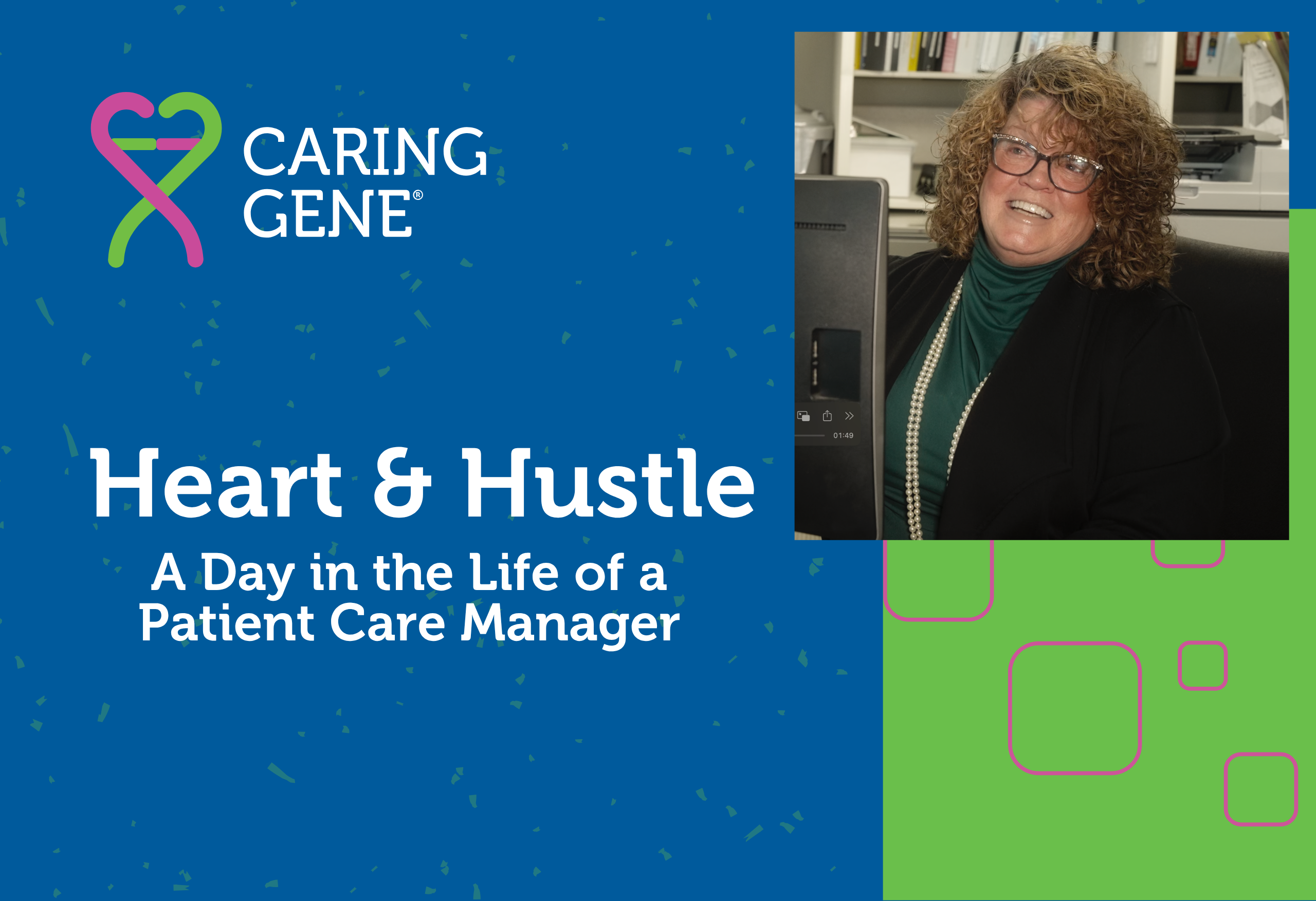
Heart & Hustle: A Day in the Life of a Patient Care Manager
In most patient care centers throughout New York State, each morning begins with standard preparation: review provider schedules, organize work lists, gather staff for a team huddle to identify problems before patients arrive. In a busy clinic, organization matters, and organization is a key part of the patient care manager role.
For Rhonda Cade, ending up in this industry was inevitable. “I helped my father and siblings care for my mother at home,” she says. “That’s when I knew I wanted to work in healthcare.”
Start building at the bedside
Rhonda became a certified nurses aide at 18 and spent years learning the fundamentals of patient care. Then she moved to a hospital, where she trained as an ICU technician and then an emergency room technician. Rhonda mastered everything from EKGs to phlebotomy to pediatric care and trauma response.
The work was demanding. But Rhonda loved it.
“There was great growth for me, great education,” she says of her years in the emergency room. “It was very life-fulfilling, rewarding work.”
Each role taught her a skill she uses on the job still today, where she’s in charge of the whole patient experience.
Inside the patient care manager role
After 38 years in healthcare, Rhonda currently works as a patient care leader at a large hospital system. Her office serves hundreds of patients each week, but maintaining structured schedules is only part of the job.
Every single patient interaction, from the front desk to the exam room, matters to Rhonda. And sometimes the biggest impact comes from the most basic experience.
“Maybe somebody can’t get an appointment and you help them with that,” she says. “Patients need a smile, a genuine hello. My goal every day is to help patients in any way I can.”
What helping really looks like
Rhonda learned early on that sometimes “help” isn’t fixing the problem. Sometimes it’s just being there.
Years ago during a night shift in the ED, a hospice patient arrived nearing the end of her life. The family gathered at the patient’s bedside, emotion and unsure about next steps. They asked Rhonda to stay until the patient passed, and she did.
Afterward, the family honored Rhonda with a patient care award for her kindness.
“That experience stayed with me and validated that I was in the right role,” she recalls. “You have to be compassionate to work in this field. You have to have a heart for people.”
Leading the next generation
Rhonda carried that lesson out of the ED and into leadership. More than any technical skill, it’s what she relies on most.
“My favorite part of my job is I come every day to work with my heart,” she says. “I have a heart for integrity and a heart for compassion. I have a heart for the people.”
These days, she’d dedicated to passing it on. Rhonda regularly coaches younger employees and encourages them to pursue nursing, leadership, and other healthcare careers.
“We need young people. There’s so much opportunity out there for growth and advancement.”
What she hopes they take away is simple: Healthcare isn’t just a job. It’s a chance to make a real difference.
“At the end of the days, you can look back at how you changed someone’s life,” Rhonda says. “Sometimes just a smile is good enough for me.”