Managing Burnout in Healthcare Professionals
You clock in on time, and spend the day on auto-pilot checking items off your to-do list. At home, you snap at your partner or your child over a small inconvenience, and then immediately apologize while wondering where that frustration came from. Later on, you watch the clock move, minute by minute, unable to get comfortable and already dreading your alarm.
We all have bad days, but when the work that once gave you purpose starts to feel like something you have to survive, you may be experiencing signs of burnout.
What is burnout, really?
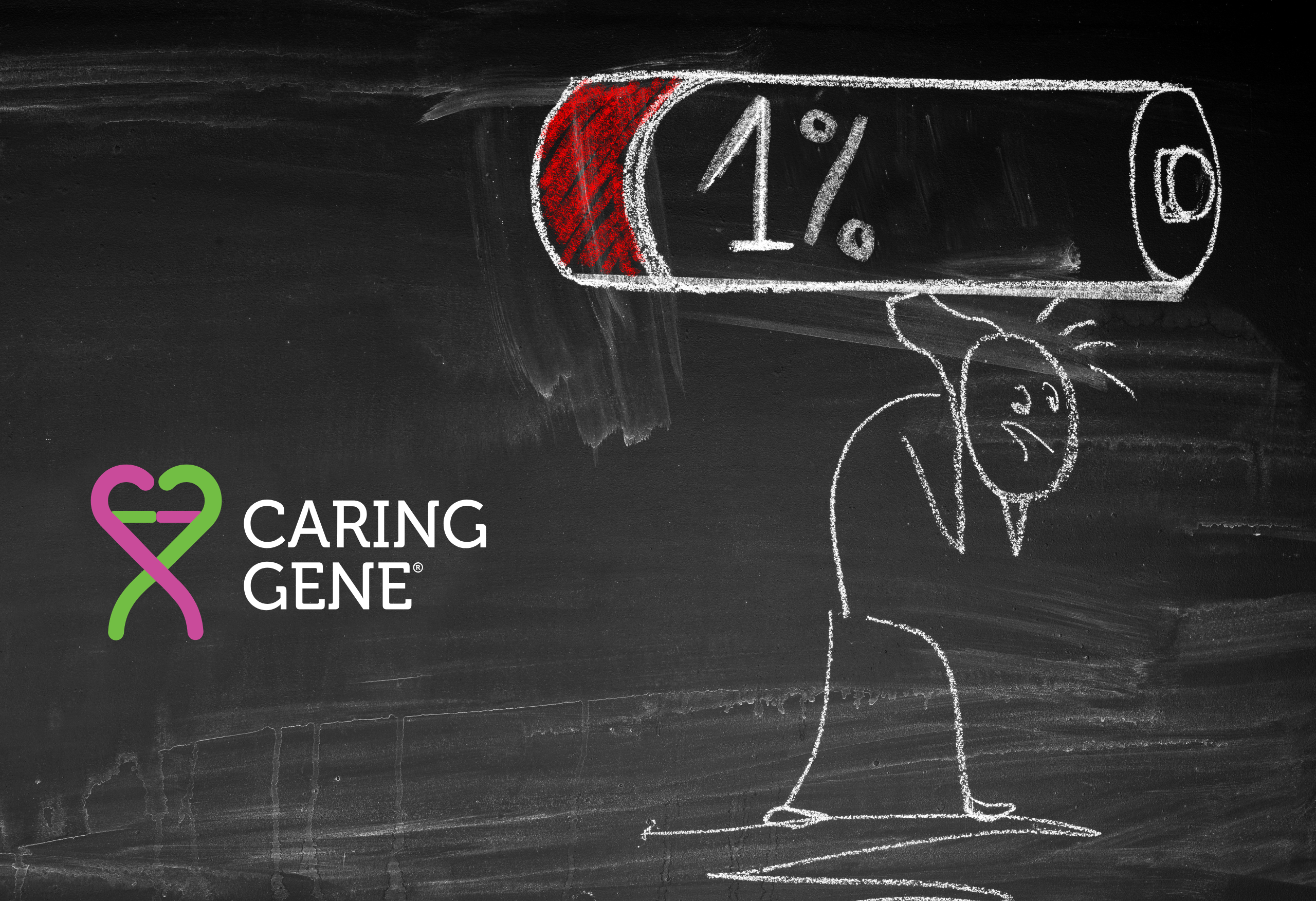
Burnout is a state of emotional, physical, and mental exhaustion caused by prolonged stress—and it shows up a lot for caregivers. There’s more to burnout than being tired or overworked. It affects how you think and how you feel, which naturally impacts how well you function throughout the day.
The thing about burnout, especially for healthcare, behavioral health, and social care workers, is how slowly it can creep in. So slowly, in fact, that it can start to feel like part of the job.
Why are care professionals especially vulnerable to burnout?
Healthcare, behavioral health, and social care professionals spend their days advocating and caring for others, fixing problems, consoling patients and their families. They deal with human suffering firsthand, each and every day.
Plus, many caregivers have a deep, intrinsic desire to help others. Add in staffing challenges and increasing demand for services? The work isn’t easy on the best day. But understanding what burnout can look like is the key to preventing it.
What are the signs of burnout?
Most often, burnout doesn’t present as pure exhaustion. It looks like going through the motions, running on empty, wondering when you stopped feeling like yourself.
Here are a few things to watch for:
- Detachment or feeling checked out. You find it hard to connect with your work, the people you serve, or even yourself.
- Irritability or cynicism. You’re short-tempered or increasingly negative, even toward things you used to enjoy.
- Brain fog or trouble concentrating. You’re easily distracted or forgetful.
- Persistent physical symptoms. Constand headaches, stomach issues, and sleep disruption can all be signs of burnout.
- Loss of motivation or purpose. You start to question why you ever thought you’d be good at this work, and whether you want to continue.
- Withdrawing socially. You’re not spending as much time with friends and family, and you feel isolated even when you’re surrounded by your favorite people.
Your instinct is to push through, persevere. But in order to effectively care for others, you have to be deliberate about taking care of yourself.
Recovery and prevention tips
Addressing burnout comes down to small, intentional actions: restoring balance, reconnecting with your purpose, and protecting your energy.
Here are a few places to start:
- Acknowledge what you’re experiencing without judgement. You can’t fix it if you’re pretending it’s not there. Burnout isn’t a weakness. It’s just your body and your mind telling you to slow down a bit.
- Talk to someone you trust. Maybe that’s a partner, a coworker, a counselor, or a friend. You don’t have to do this by yourself.
- Set boundaries, and make sure to keep them. Take your PTO, and protect that time. Say no when you need to. Rest without guilt.
- Reconnect with what fuels you. Did you once read nonstop? Or maybe you used to paint. Reacquaint yourself with the things you love that are just for you.
Caring for others requires you to care for yourself
Experiencing burnout doesn’t automatically mean you’re in the wrong career. It just means you’ve been giving so much without pausing to recharge.
You deserve rest, and support. In fact, you need it, because it’s impossible to effectively care for others if you are not taking care of yourself.
So today, commit to one small change, to doing something that makes you happy. You’ve earned it.